A LITTLE GAME ABOUT BIG IDEAS
A game helped me start building.
Playing Coding Planets in high school helped me turn an idea into instructions a computer could follow.
Little Intentions brings learning through play to communicating with AI agents.
A personal project by OT · software engineer in games & XR
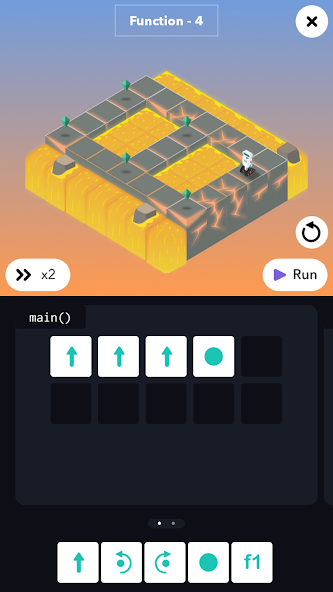
Current listing screenshot
02 / THE SHIFT
Building starts with a clear intention.
As AI takes on more implementation, communicating intent and checking outcomes become essential building skills.
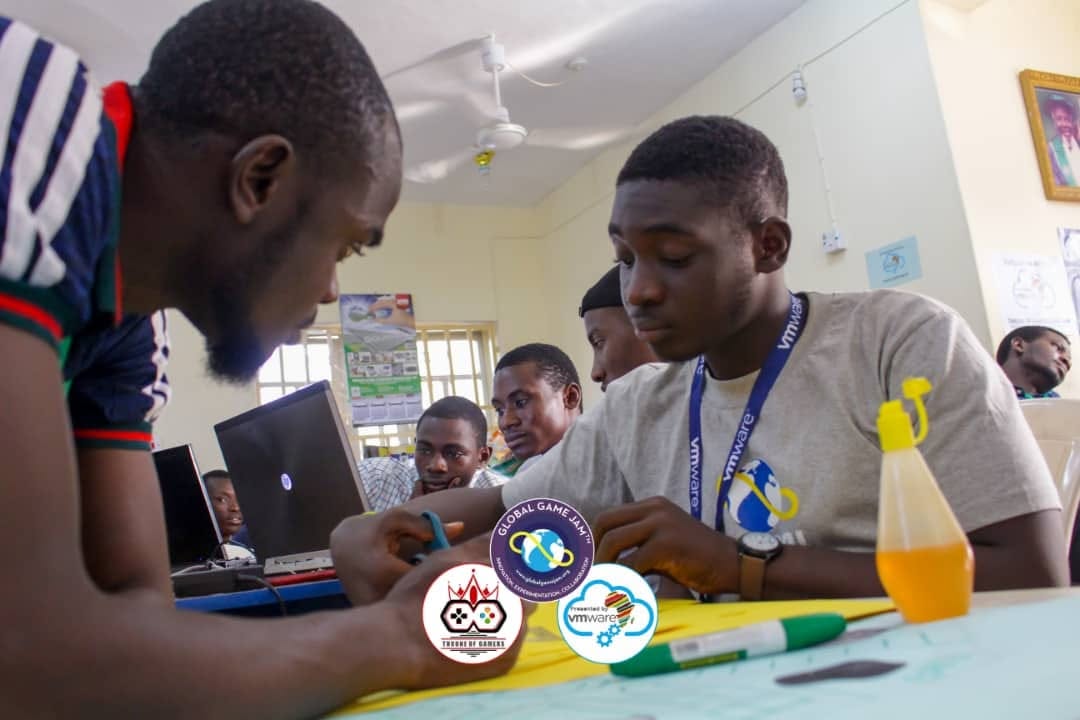
For adults familiar with AI chat but new to delegation, Little Intentions makes that loop tangible through play.
03 / YOUR COMPANION
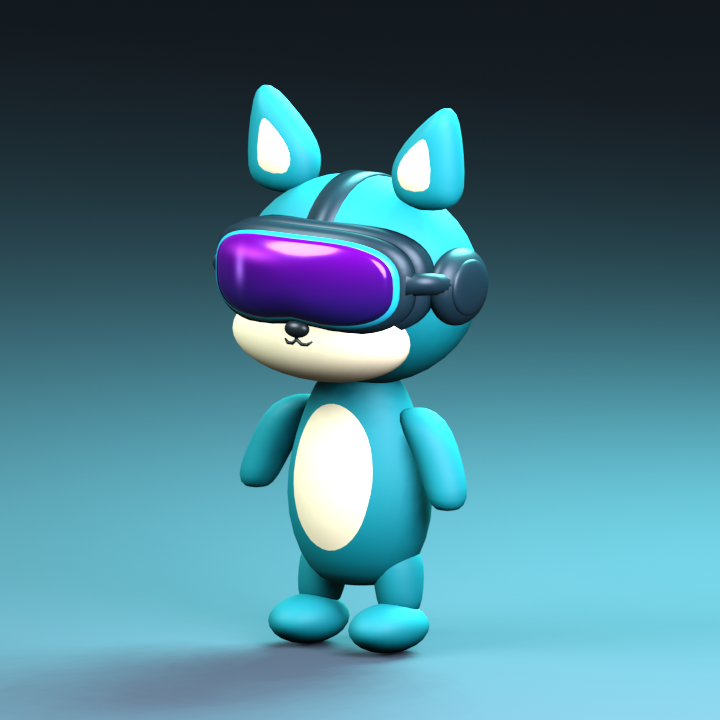
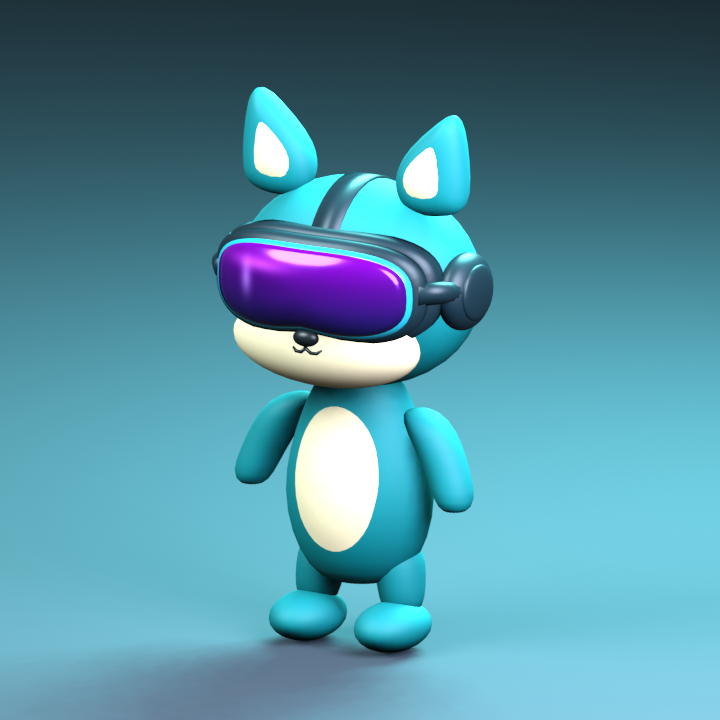
Meet Orbit.
Your pet. Tiny worlds. Better instructions.
Express a goal, supply context, answer questions, approve a plan, and check what happened.
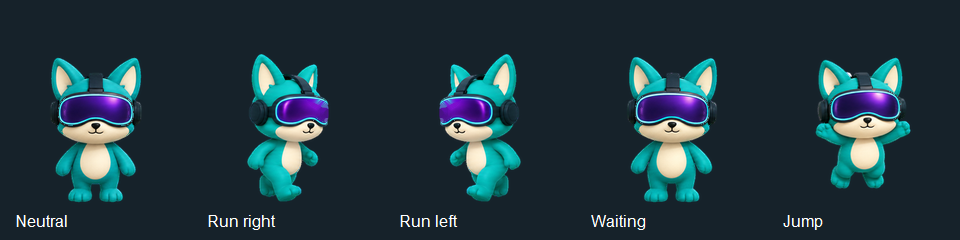
Actual Blender animation render · still shown until played
04 / TRY THE COMPARISON
One mission. Two instructions.
See what changes when the brief matches the goal. These are prepared Practice-mode examples, separate from the recorded live planner.
Both attempts succeed. Clarification helps the first; the revision supplies the missing item upfront.
Recorded receipt — attempt 2: goal reached. 1 planner call · 337 input + 83 output = 420 tokens. Listening: 1 call, 4.0 seconds; speaking: 1 call, usage unknown.
See what happened, how many planner calls it took, and the tokens used. Input includes context. Tokens are usage units, not a price or a score; clearer instructions do not always use fewer tokens.
05 / MADE WITH CODEX
From a sketch to a working journey.
Built with Codex. OpenAI powers Orbit’s listening, planning and voice.
ASTRA + BLENDER
Authored Orbit’s mesh, rig and five animation clips.
TERRA + CODEX
Integrated the browser/XR game, action validation, approval and rewind.
Export inspection caught a visor shading issue; the mesh was corrected before integration.
How it works & evidence
OpenAI transcription, a live planner and generated voice support the Quest experience. The player reviews and explicitly approves proposed actions; the simulation validates them before execution. OT confirmed spoken clarification, interruption, delivery, rewind, comparison, historical replay and readable per-attempt usage receipts on Quest.
Transcription: gpt-transcribe. Planner: gpt-6-luna via Responses API. Generated speech: gpt-4o-mini-tts, coral. The final video has OT’s narration and music; the original Quest capture did not record Orbit’s audible speech. Practice mode uses local rules. One village and mission are prepared; levels are not generated live and there is no general room understanding. This pitch site has no hosted live-game backend.
06 / AN INVITATION
“You Can Just
Build Things.”
Little Intentions helps you practise making your intentions clear.

The event card's message · Little Intentions